Should I buy an EV?
Questions you definitely need to ask yourself before making the leap.
Car Stuff
11 May 2026
TL;DR
An EV could be the best car you've ever owned, or a daily source of stress. The difference comes down to your life, not the car. Here's how to figure out which camp you're in.
Everyone has an opinion on EVs. Your brother-in-law reckons they're a scam. Your colleague won't shut up about how she hasn't been to a petrol station in two years. And the internet is absolutely no help because every article is either written by someone trying to sell you one or someone who seems personally offended that they even exist.
And as someone who currently has no funding from either camp (totally open to it though, if you're reading this), I thought I could bring a level perspective.
Whether an EV is right for you has nothing to do with what anyone else thinks and everything to do with how you actually live. Here are the questions that actually matter.
1. Do you have somewhere to charge?
This is the big one. If you can answer yes to this, everything else gets a lot easier.
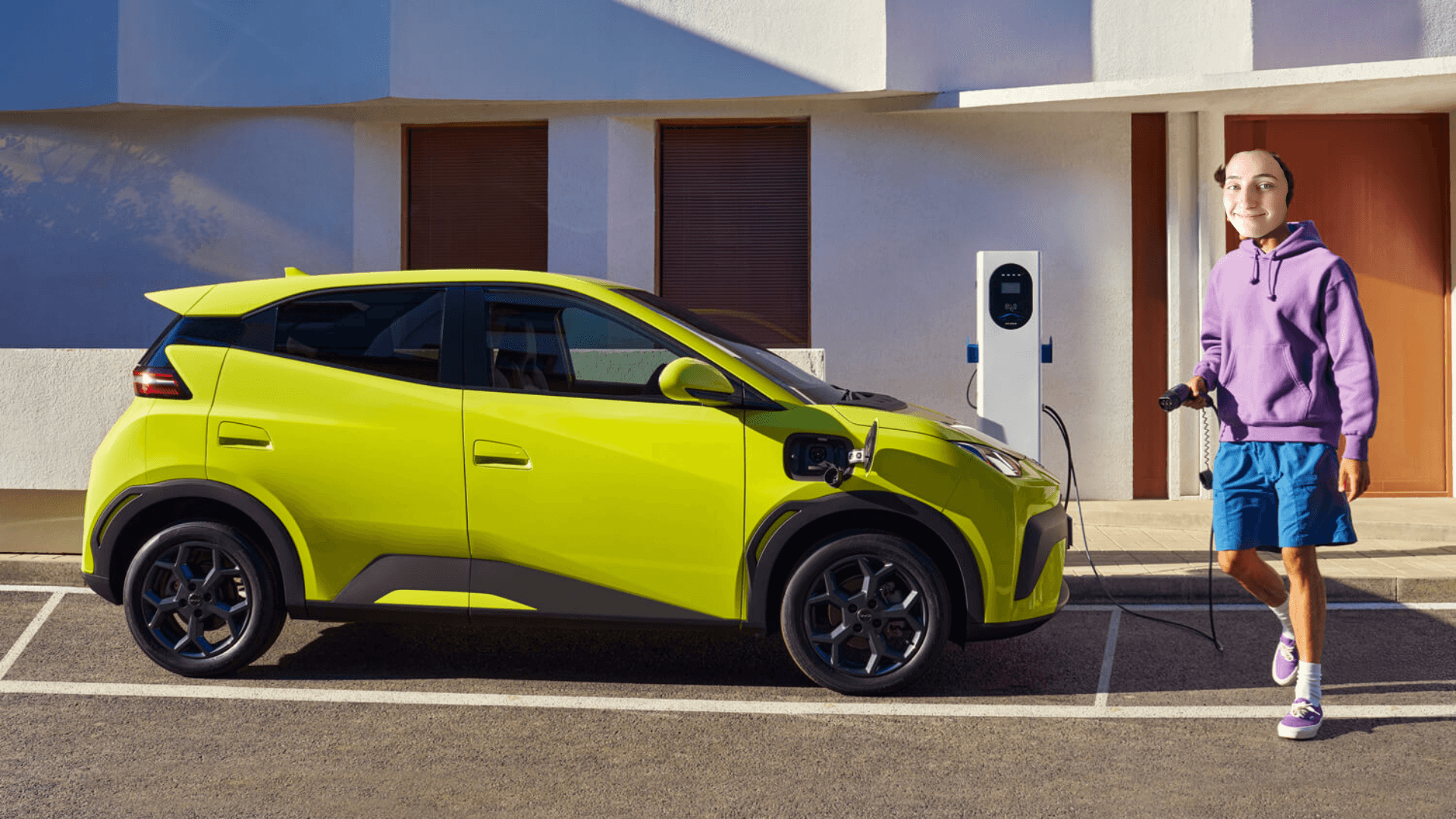
Around 93% of Australian EV owners charge at home overnight. It's the cheapest, most convenient way to do it. You plug in before bed, you wake up with a full "tank." You never have to think about it. It's basically like charging your phone, except your phone costs $50,000.
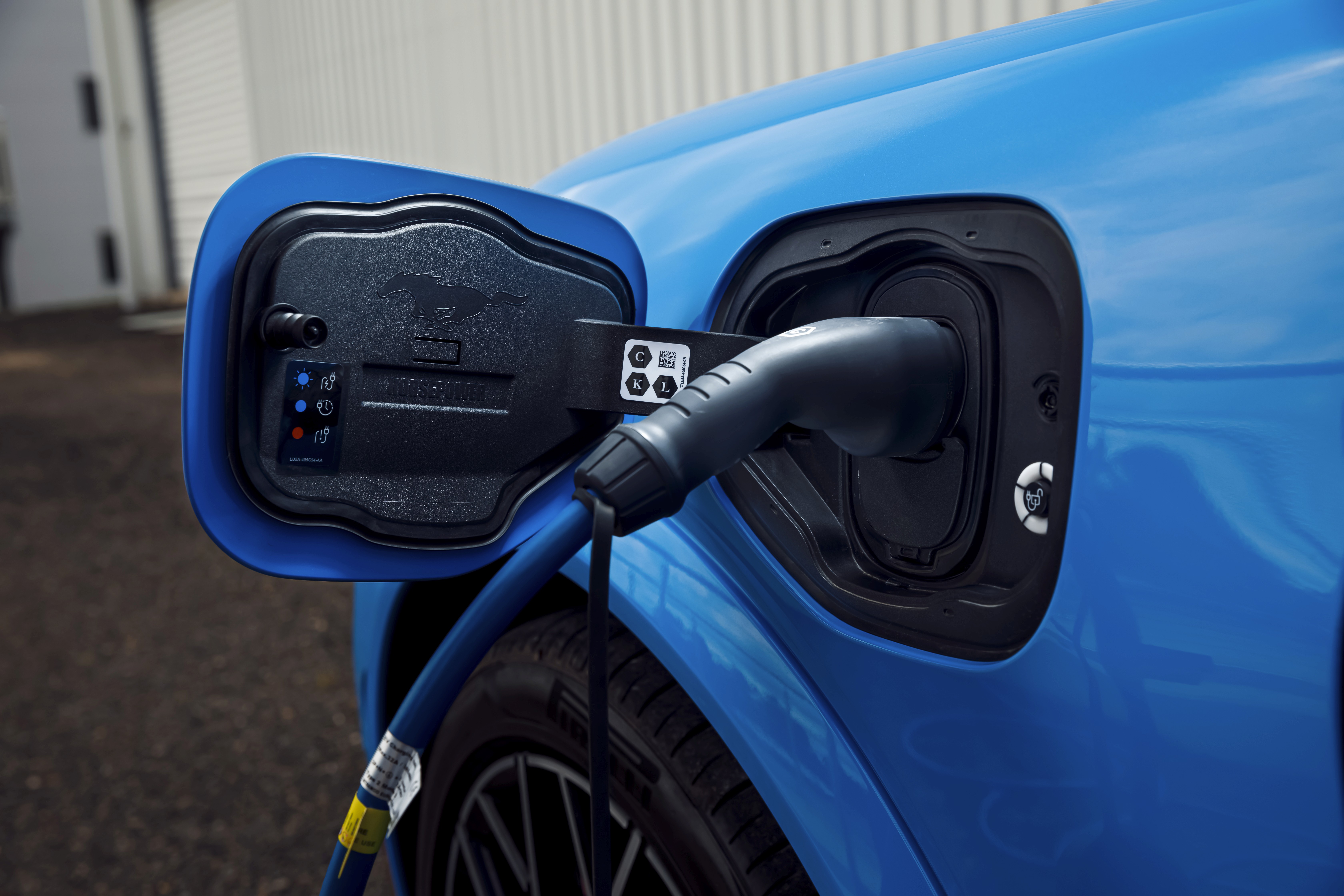
A standard power point technically works, but a dedicated home wall charger (around $1,500–$2,000 installed) is faster and better for the battery long term. Factor that into your upfront cost.
If you rent or live in an apartment, this gets complicated. You'd be relying on public charging much more, which is slower, more expensive, and requires actual planning. Not impossible, but definitely less convenient, and worth being honest with yourself about.
Some apartments will slowly start to introduce charging solutions, but just like the challenge of convincing 50 neighbours to mow one strip of grass, it may not be the simplest pitch.
If you're able to charge it at work, that's another strong option. Just ensure you have one consistent place to charge, that can't easily be taken away from you or get too busy to use.
2. How far do I actually drive each day?
Here's a reassuring fact: the average Australian drives around 33km a day. Most EVs have a real-world range of 300km or more. So for the majority of people, range anxiety is mostly a feeling, not a real problem.
If you're driving under 100km a day and charging at home overnight, you will almost certainly never run out of charge.
Where it gets trickier: long highway drives, regional areas with fewer chargers, or jobs that involve a lot of unpredictable driving. If you regularly cover 200km days for work, you'll need to think more carefully about which EV, and whether a plug-in hybrid might suit you better.
3. What does your electricity situation look like?
This is where EVs go from "pretty good" to "actually ridiculously cheap to run."
Charging at home on a standard electricity rate costs roughly $7–$17 for a full charge – that's 350-450km of range. Compare that to $100+ to fill a petrol tank for similar range. Over a full year, EV drivers are spending 55-65% less on fuel than equivalent petrol drivers.
If you have solar? Even better. You can essentially charge your car for next to nothing during the day.
The catch: if you're mostly relying on public fast chargers, the savings shrink. Public DC fast charging can cost $0.58–$0.73 per kWh depending on the network, still cheaper than petrol, but nowhere near as cheap or convenient as charging at home overnight.
4. Am I buying new or are tempted by a used EV?
New EVs are getting surpsingly competitive on price. Under $50,000 you've got solid options from BYD, MG, and Geely.
Used EVs are where it gets interesting, and a little risky. Prices have dropped significantly because premium EVs are depreciating fast (some models have lost 45–50% of their value). A bargain second-hand EV sounds great until you factor in:
Battery health – how degraded is it? A battery at 80% capacity means 80% of the advertised range. Always ask for a battery health report.
Warranty – most new EVs come with around an eight-year battery warranty. Check what's left on a used one.
Charging compatibility – older EVs may have slower charging speeds or different connector types that limit your public charging options.
5. Do You Do a Lot of Long Road Trips?
Good news: driving an EV across Australia in 2026 is genuinely doable. The charging network has grown dramatically — there are fast chargers tripling across the country, Ampol has over 90 DC sites, and one family recently did a full lap of Australia in a BYD Dolphin for a total of $1,811 in charging costs. Across the whole country.
But – and this is a really important but – road trips require more planning than petrol. You need to know where your next charger is, how long it'll take, and how busy the spot is. For some people, that's fine, even fun. For others, it's genuinely stressful.
Honest question to ask yourself: Am I someone who likes to just drive and stop wherever? Or am I someone who already plans stops in advance? If you're the first type, an EV road trip will require a genuine adjustment.
6. Are there incentives available to me?
This one's worth checking because it can quickly change the maths.
Most Australian states offer some form of stamp duty exemption or reduction on new EVs. Check your state's current scheme before you buy, because they change regularly.
The federal FBT exemption is the big one if you're an employee: eligible EVs under the luxury car tax threshold are exempt from fringe benefits tax when bought through a novated lease. For the right buyer, this can effectively reduce the purchase price by 20-40%. Chat to your employer or a novated lease provider if this could apply to you.
So... should I actually buy an EV?
You're probably a good candidate for an EV if:
You have off-street parking and can charge at home
Your daily driving is under 150km
You're not doing constant long regional drives
You want to spend dramatically less on fuel and servicing
You might want to hold off (or consider a hybrid instead) if:
You rent or live in an apartment with no charging access
You regularly drive long distances between regional areas
You need total flexibility and hate planning ahead
You're looking at a used EV without a battery health report
Neither answer is wrong. EVs are genuinely excellent for heaps of Aussies. They're also not the right fit for some. The goal is just making sure you know which one you are before you sign anything.